For BAC Masons, A Capitol Achievement
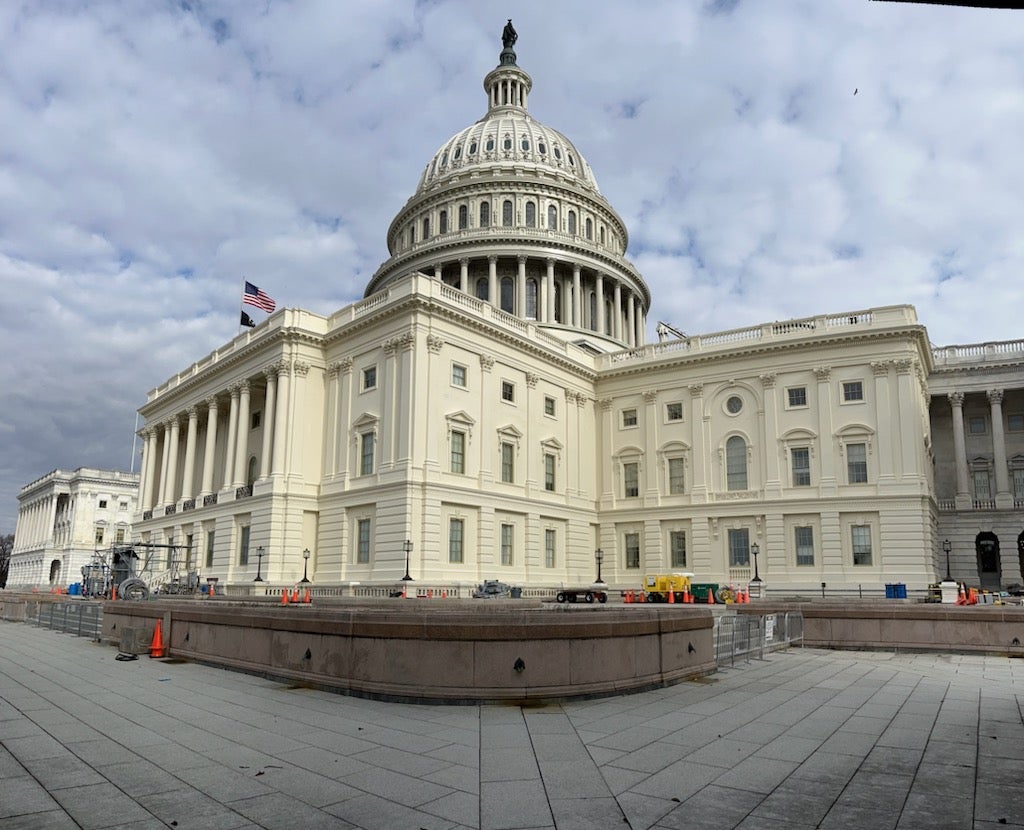
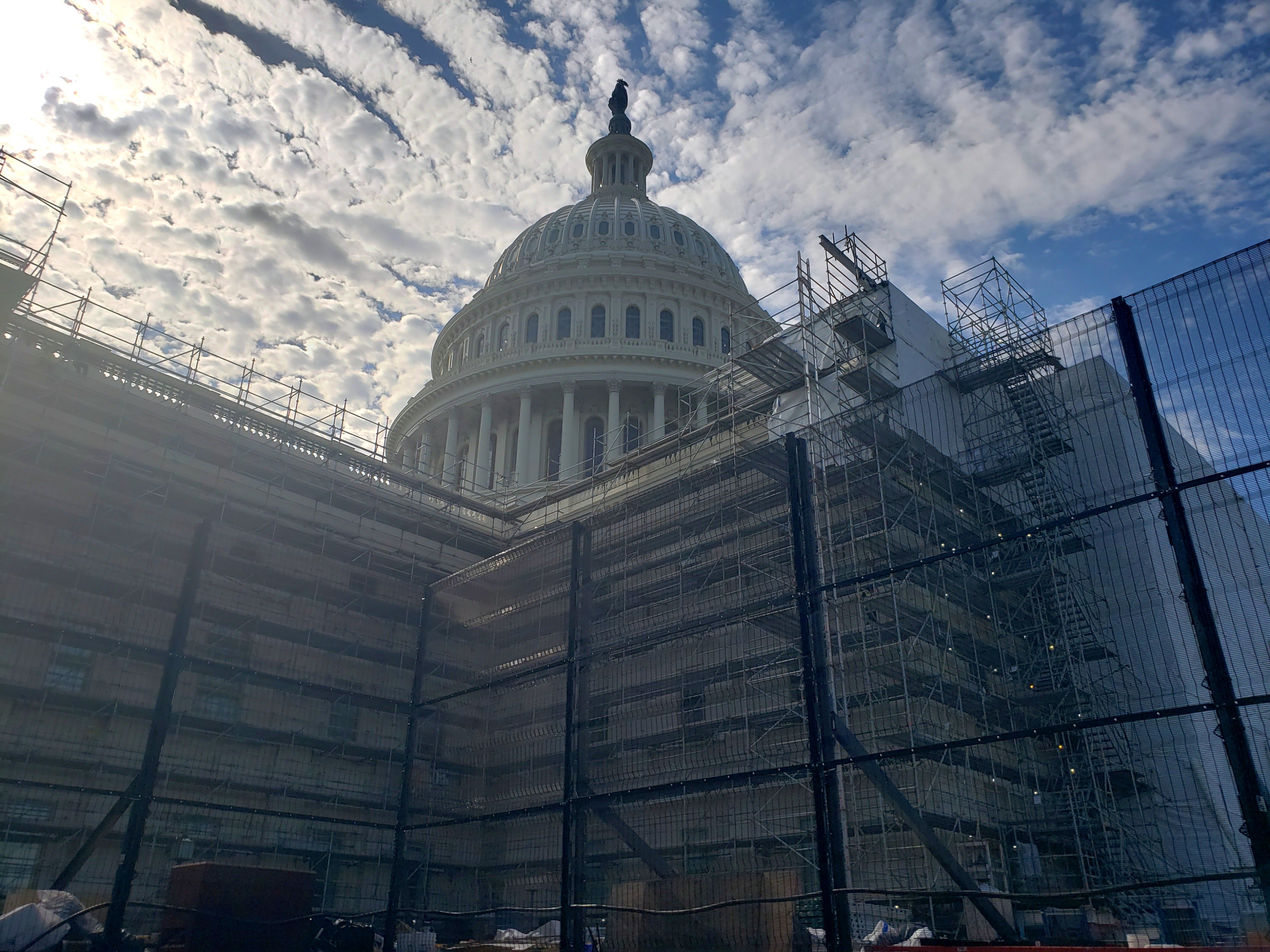 The United States Capitol is not simply the seat of American government. It’s a tangible symbol of the world’s oldest republic, and of democracy itself. One of the nation's most iconic buildings, its 288-foot dome, pillared stone facades, and soaring rotunda are instantly recognizable around the globe. But in over 200 years of service, the Capitol and its associated buildings had naturally deteriorated.
That was until Local 1 Maryland/District of Columbia/Virginia members and signatory contractor Lorton Stone embarked on a multi-decade restoration project that has revived the Capitol's glory and prepared it to serve American democracy for centuries to come.
"The Capitol, and the House and Senate office buildings that our members have worked on for well over 20 years, are a shining example of how the United States of America honors the past while building a strong future. I’m proud that these years of work by hundreds of Local 1 members has ensured that it will remain so," said Local 1 President Scott Garvin. "There’s no satisfaction greater than to know that the work of Congress goes on within walls we've restored, and millions of visitors every year have the chance to be awed by a building whose magnificence has been preserved by BAC masons." 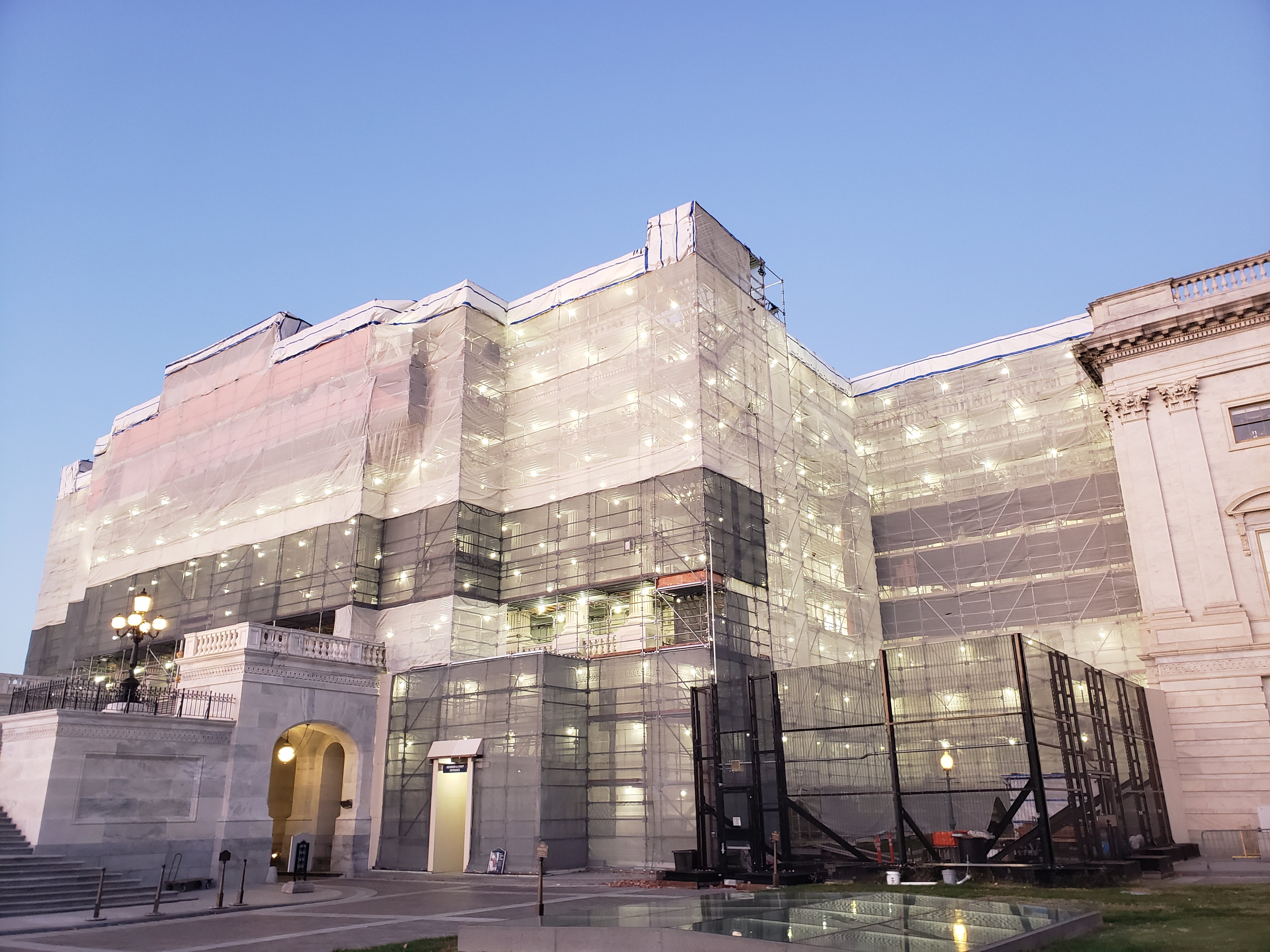
BAC’s work has "touched almost all parts of the Capitol at this point," Lorton senior project manager Shalin Ronald said about the restoration, which won the BAC Craft Award for Best Restoration/Rehabilitation/Maintenance in 2025. In addition to cleaning and repointing, the project has included substantial replacement of both ornamental carved leaves and scrolls and massive stone blocks.
The earthquake that hit Washington in 2011 caused some acute damage on top of the slower deterioration from time and weather. Some cornice pieces in the Capitol cracked or shifted and had to be removed and re-anchored or fully replaced with new carved pieces. The sheer size of the pieces required reinforced scaffolding.
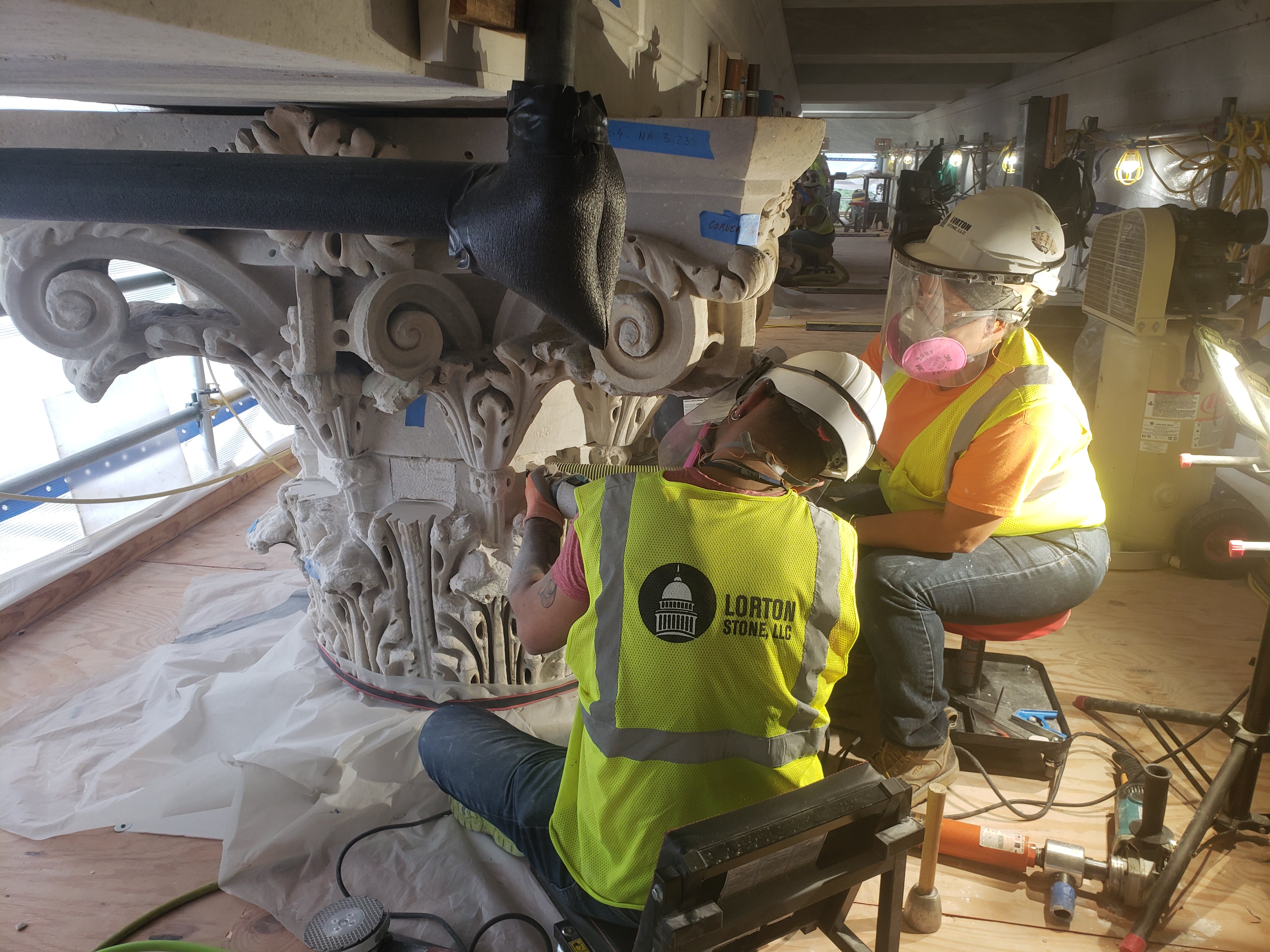 The materials involved are a challenge in themselves. There are at least three types of granite in the Capitol building, as well as multiple types of marble. To match the mortar to each specific stone, Lorton sends samples to labs for analysis in some cases, as well as getting mix ratios from the government. The government also maintains stocks of some stones to use when replacements are needed. But when the government did not have a specific granite and the quarry from which the original granite had come was closed. Lorton tracked down granite with similar properties from a nearby quarry.
Work with this complexity and public profile demands the best, and Local 1 BAC members have provided that, led for over 25 years by foreman Victor Castro. Castro has been a BAC member since 1986, when he immigrated to the US from Spain. Since 2001, he’s run Lorton’s work on the Capitol complex. Originally on site to work on the new construction of the Capitol Visitor Center, he says he hesitated when he was told his next job would be restoration. "But when I learned it was the Capitol, the Supreme Court, all of these, I said, let's give it a try. It was a good decision." 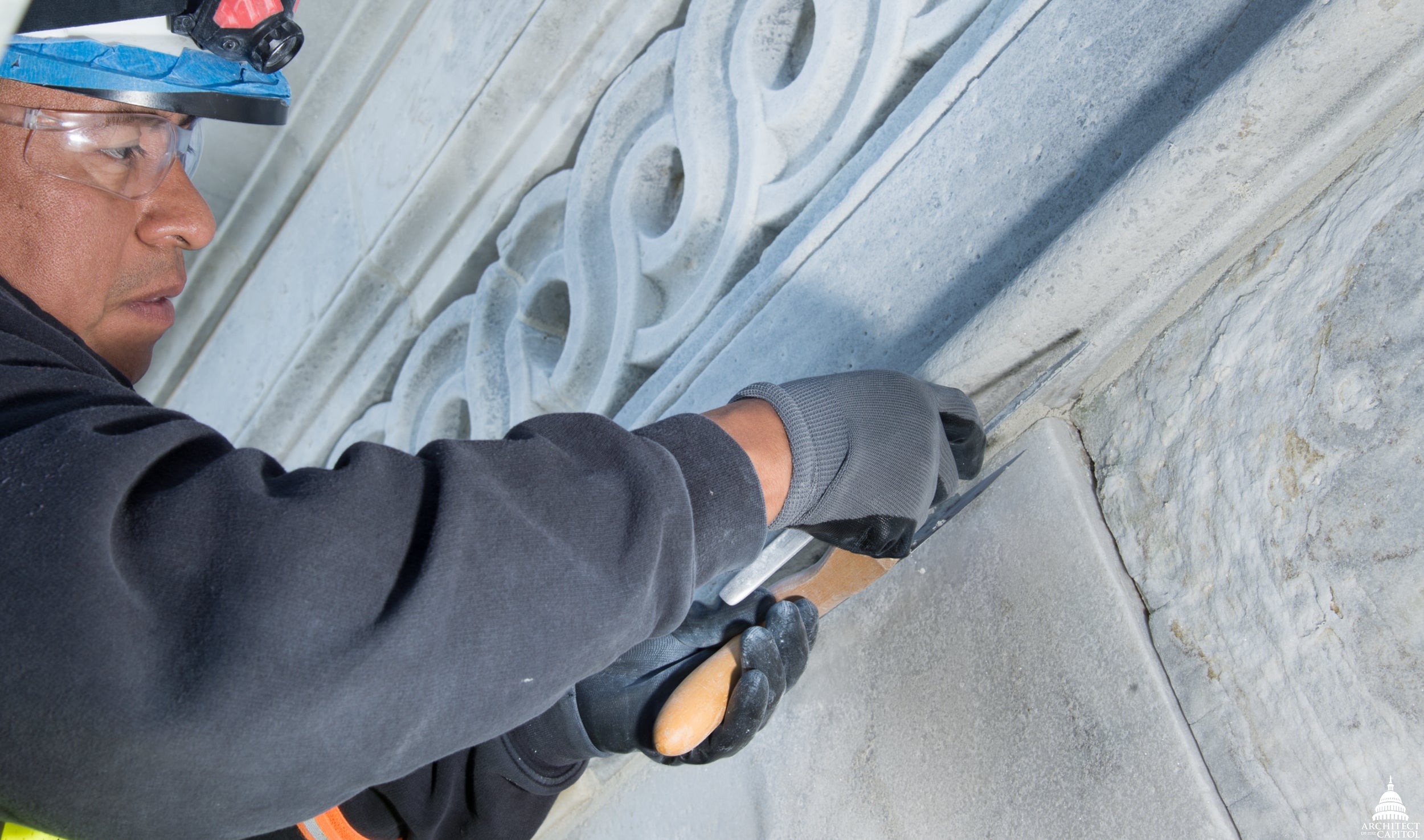
Castro has been a foreman for Lorton on all three phases of the Capitol restoration so far, working nights so that the Congress could continue its work during the day. "Victor knows everything about the Capitol," according to Lorton's Ronald. His work has spanned the dome and the north, south, and west facades, and Castro, who is now a US citizen, is keenly aware of the American history entrusted to his hands.
"You see the amazing work that somebody else, a union mason from a long time ago, performed much earlier," he said. "They ask you to do something and you say 'How in the hell, a long time ago, without the tools and everything that we've got today, how did they accomplish doing this work?' Before us there were great people doing this type of work, for sure. Being part of that, even a teeny contribution, is so amazing to me and makes me so proud."
 At one point, Castro was asked to provide tools for an exhibition on the Capitol restoration. He offered tools handed down from his father, a mason back in Spain.
"I was thinking about my father, he never thought that his tools would be in an exhibition in the US Capitol for sure," Castro said. "How amazing is that?"
After 40 years on the job, Castro is no longer doing the night work required for the next phase of the Capitol restoration – so as much as he's looking back at the history he's become a part of, he's also looking forward, to the next generations.
"I'm so fortunate to be part of this. I told my colleagues, 'look, we are so lucky. Just don't let this trade go downhill,'" he said, adding, "I trust that they will do really well."