Federal Update: Heat Safety in Danger, But Potential Progress on Housing and School Construction
Right now, three initiatives are working their way through the Department of Labor and US Congress that could directly affect BAC members’ safety and work opportunities. As a union member, it’s important to be informed and aware of the efforts by federal regulators and legislators to help – and in one case –potentially harm your safety and security on the job.
Heat Safety Standard Faces Opposition
As extreme heat intensifies across the country, the fight to protect workers on the job is becoming more urgent.
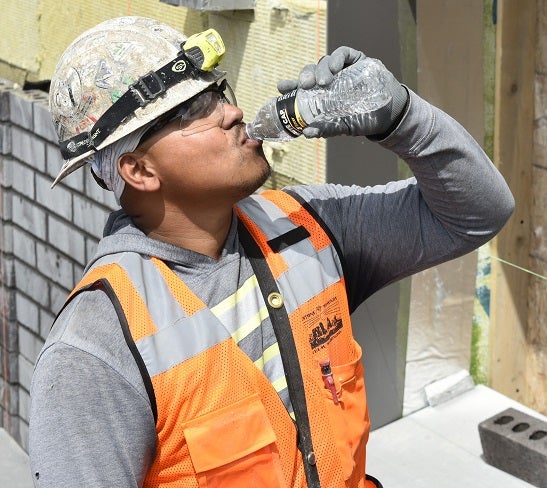 In 2024, the Department of Labor proposed new standards requiring basic safety measures requiring water, rest breaks, shade, and time to protect those working in extreme temperatures, all of which are basic working conditions protected in BAC collective bargaining agreements. But these common-sense protections are now facing opposition from Republican legislators, led by Senator Bill Cassidy (R-LA), who are pushing to block the rule.
For construction workers and others exposed to the elements, and especially for non-union workers without the protection of a BAC contract, the outcome of this debate could determine whether rising temperatures translate into preventable injuries and deaths, or stronger safeguards on the job. President Tim Driscoll made BAC's position clear: "No tradesperson – whether in a union or not – should get sick or die because of heat on the job. Congress must stand aside and let the Department of Labor implement the heat standard."
Housing Legislation Progresses in Congress
At the same time, there are signs that bipartisan cooperation can still deliver meaningful progress for working people.
The Senate’s passage of the 21st Century ROAD to Housing Act in March reflects a growing recognition of the country’s housing crisis and the need for expanded development. By increasing federal support for construction and broadening access to housing programs, the bipartisan legislation has the potential to create construction jobs while addressing housing affordability.
Labor groups, including North America's Building Trades Unions, have emphasized that these efforts must go hand in hand with strong wage protections ensuring that growth in housing does not come at the expense of workers’ livelihoods. This legislation does not provide the kind of investment we need to truly address the current housing crisis, but it is a step in the right direction.
School Infrastructure Bill Reintroduced
Looking ahead, some lawmakers are continuing to push for large-scale investments that center both infrastructure and workers. Democratic Representative Bobby Scott (D-VA) has reintroduced the Rebuild America’s Schools Act (RASA), a sweeping proposal to invest $130 billion in modernizing public school facilities. 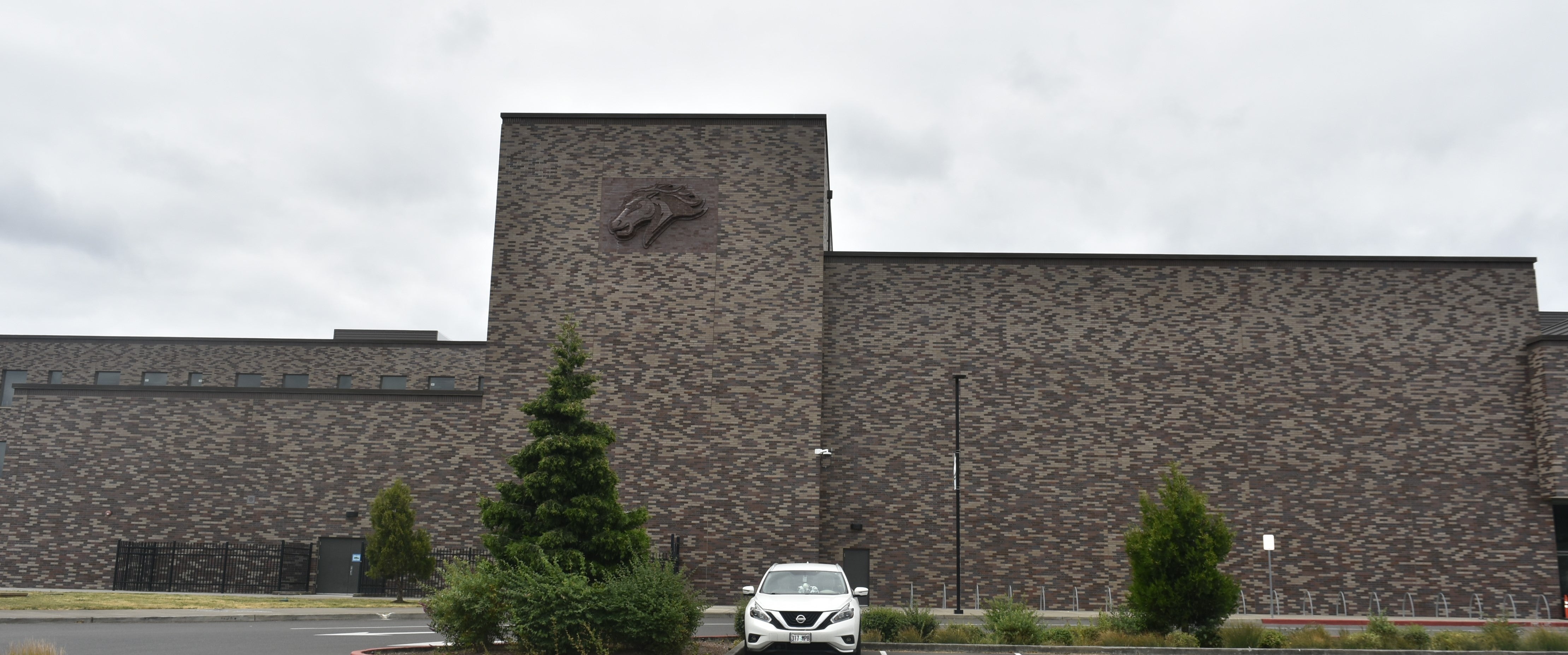
The legislation aims not only to improve learning environments, but also to create up to 2 million construction jobs. With built-in protections for wages and apprenticeship programs, the bill reflects a broader vision of economic policy that ties public investment directly to workforce development. RASA has been a top priority for BAC, and we applaud its reintroduction, even though we know it faces serious opposition.
For more information on these and other legislation and/or federal policy news, be sure to check https://bacweb.org.
House of Representatives Pass Bi-Partisan Bill to Protect Federal Worker Rights
In December 2025, the US House of Representatives passed H.R. 2550, the Protect America’s Workforce Act, by an overwhelming majority of 231-195. If the companion bill, S. 2837 is passed by a 2/3 majority in the Senate, the legislation would rescind the Trump administration’s executive orders that banned collective bargaining for most of the federal workforce.
“With nearly 70% of Americans supporting unions, politicians face a clear mandate to protect workers’ rights and the freedom to have a voice on the job,” said the AFL-CIO in a statement after H.R. 2550 passed. “The bi-partisan bill, introduced by Reps. Jared Golden (D-Maine) and Brian Fitzpatrick (R-Pennsylvania), came to the floor for a vote by a rare discharge petition… It is the first time the House has voted to overturn a Trump executive order during his second term.”
“The right to join a union and bargain collectively is one shared by all workers, regardless of their employer,” BAC President Tim Driscoll said. “It is encouraging that a strong coalition of both Republicans and Democrats came together to pass this legislation. It is now up to the Senate.”
Action by Congress is critical as the Trump administration continues to attack our federal workers in 2026, including proposing new rules to reclassify civil service roles, making them easier to fire for political reasons.