

Stronger Standards, Safer Workers: The Fight Against Silica Dust
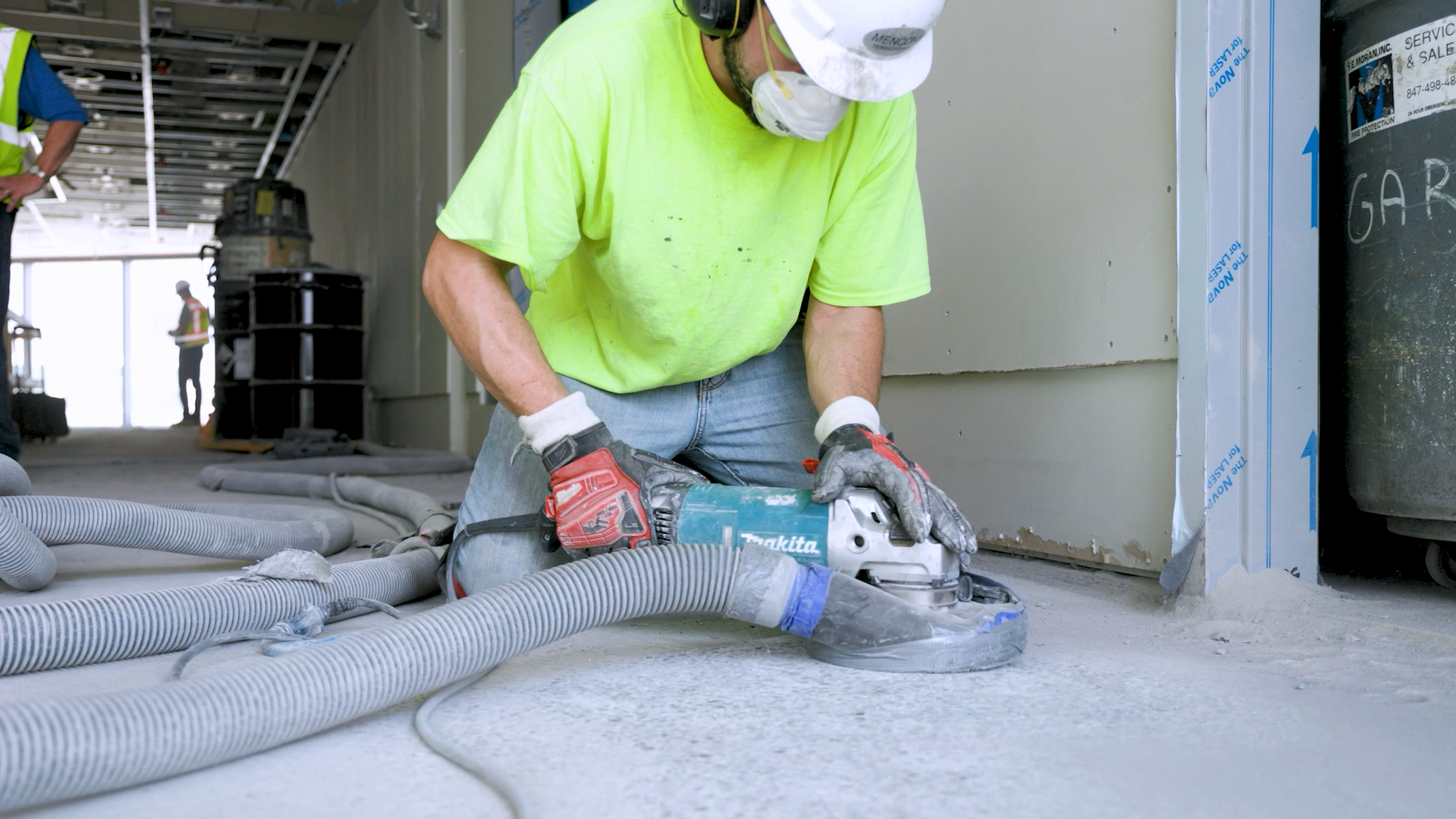 Construction workers face various hazards from fall risks to heat illnesses, however, no hazard may be more difficult to spot than silica dust. Unlike more visible dangers on a jobsite, silica dust often lingers in the air unnoticed, making it particularly dangerous. Before the BAC and other unions helped to push the 2016 Occupational Safety and Health Administration (OSHA) silica safety standard, around 2 million construction workers in the US alone were being exposed to crystalline silica annually. This widespread exposure meant that a significant portion of the workforce faced long-term health risks simply by performing everyday job tasks, often without realizing the severity of the danger.
Whether it be from cutting, grinding, drilling, or the crushing of concrete, stone, brick, or mortar, construction workers regularly risk inhaling silica dust. These tasks are common across nearly every type of construction project, from small renovations to large-scale builds. Silica is a naturally occurring mineral, found in many of these materials, and when they are disturbed, tiny respirable particles are released into the air. According to OSHA, these particles are small enough to penetrate deep into the lungs when inhaled, making them especially hazardous.
Invisible but Lethal: How Does Silica Affect You
Silica exposure is not like a cut where you notice an injury right away – the exposure is a problem that accumulates over time. Workers may go days, months, or even years without realizing the damage being done. This gradual exposure is what makes silica dust so dangerous, as it silently builds up in the body. Even leaving the jobsite and dusting your clothes off indoors can expose silica dust to you and your family. This secondary exposure highlights how the hazard extends beyond the workplace, potentially impacting loved ones through contaminated clothing, tools, or vehicles.
Silica exposure over time leads to severe, irreversible lung damage that can cause major diseases including silicosis or lung cancer.
Silicosis is an incurable disease caused by inhaling crystalline silica particles, leading to inflammation and scarring in the lungs. It can take many years to develop, and symptoms may not be obvious in the early stages. Workers might initially experience mild shortness of breath or a persistent cough, symptoms that are easy to dismiss. As the disease progresses, however, it can severely impact a person’s ability to breathe and perform daily activities.
Stronger Together: The Fight Against Silica
Thankfully, silica exposure has greatly decreased in the last ten years thanks to the partnership between unions and OSHA.
In 2016, OSHA issued a rule to address respirable silica construction standards, which greatly reduced the amount of silica dust that workers were allowed to be exposed to. These standards established strict permissible exposure limits and required employers to take proactive steps to 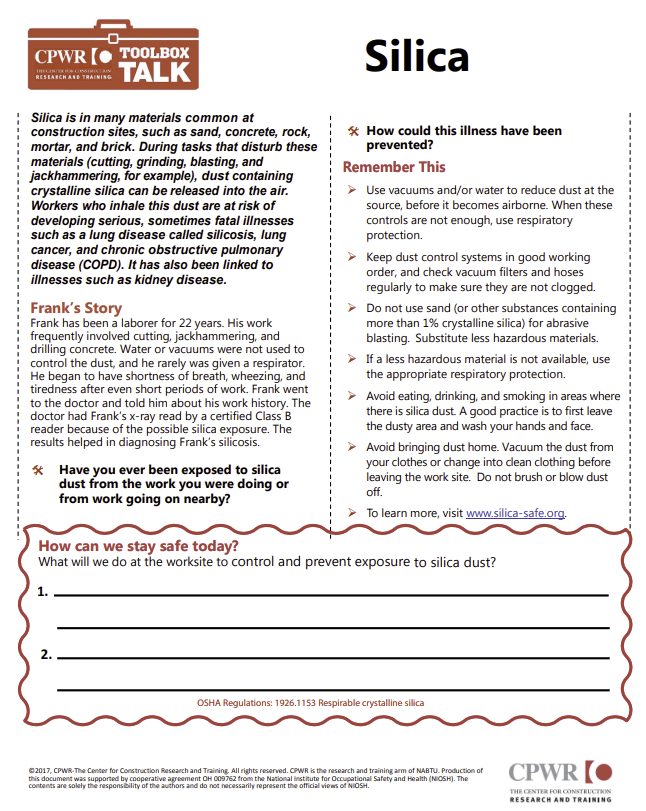 protect workers, including monitoring air quality and implementing engineering controls.
“The most important thing for our brothers and sisters to keep in mind, is that the protections we have today are in place for a reason,” Safety and Health Director Liliana Calderon Castillo had to say on the OSHA silica standard. “The amount of silica dust that exposes you to harmful things like silicosis could fit on Lincoln's head on a penny.”
Since OSHA began enforcing the new silica standards in 2017, BAC members, and all workers, are more protected from silica dust exposure while on the job site. The entire construction industry changed for the better. Employers are now required to implement measures such as water delivery systems and vacuum dust collection to reduce airborne particles. Something simple, like applying water to cutting tools, significantly reduces the amount of dust released into the air, making it safer for workers using the tool and nearby.
These advancements show how regulations and advocacy can lead to meaningful improvements for working people. In addition, employers must now create written exposure control plans, provide training, and offer medical surveillance for workers at risk.
These comprehensive approaches ensure that safety standards should not just be reactive but preventative.
“Safety isn’t a one-person job; it is a collective action,” Calderon explained. “Our contractor partners also need to be aware of the shared responsibilities in keeping us all safe. Taking steps like creating an exposure control plan helps to keep everyone healthy and safe.” Workers, supervisors, and contractors must all play a role in maintaining a safe environment for all.
To create your own silica exposure plan or to learn more about work-related hazards, go to https://bacweb.org/safety